

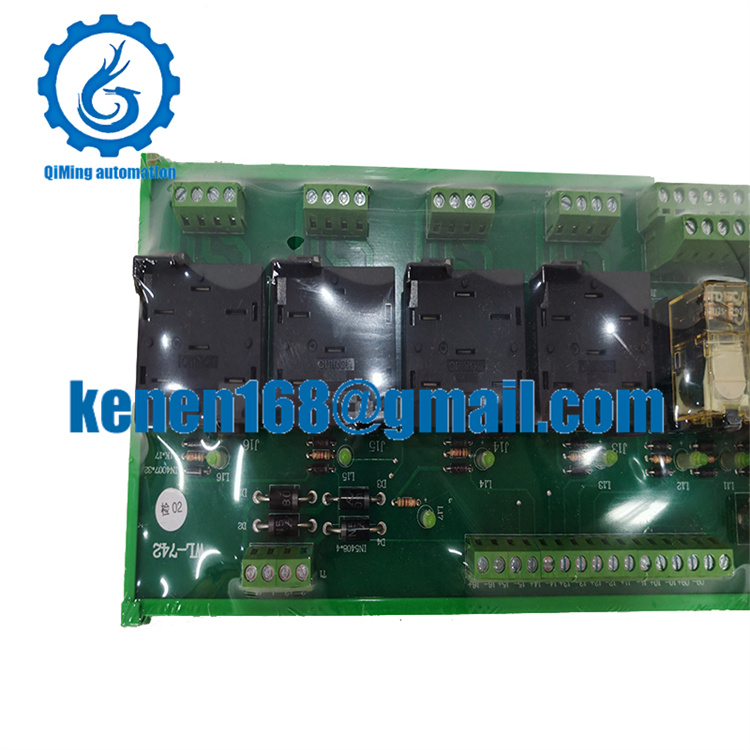
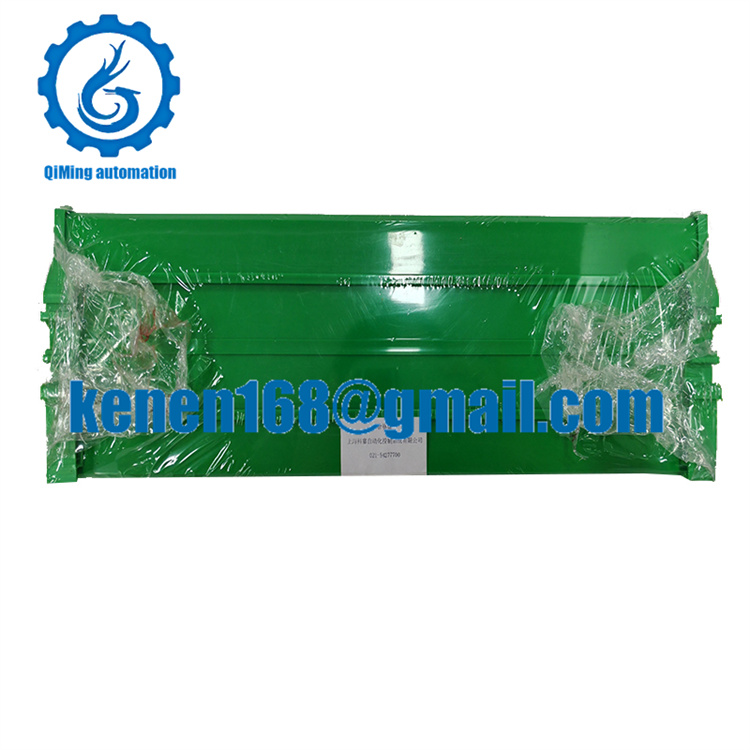
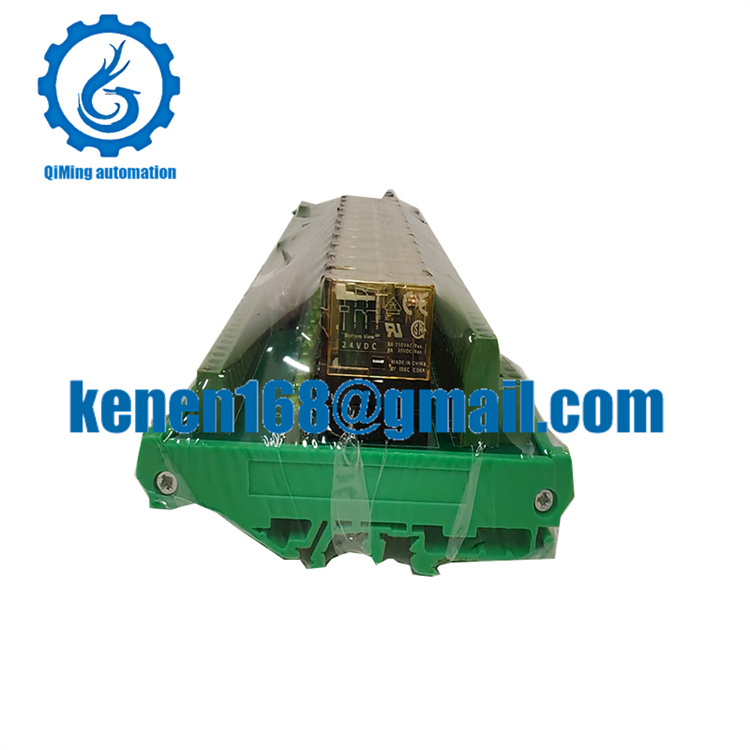
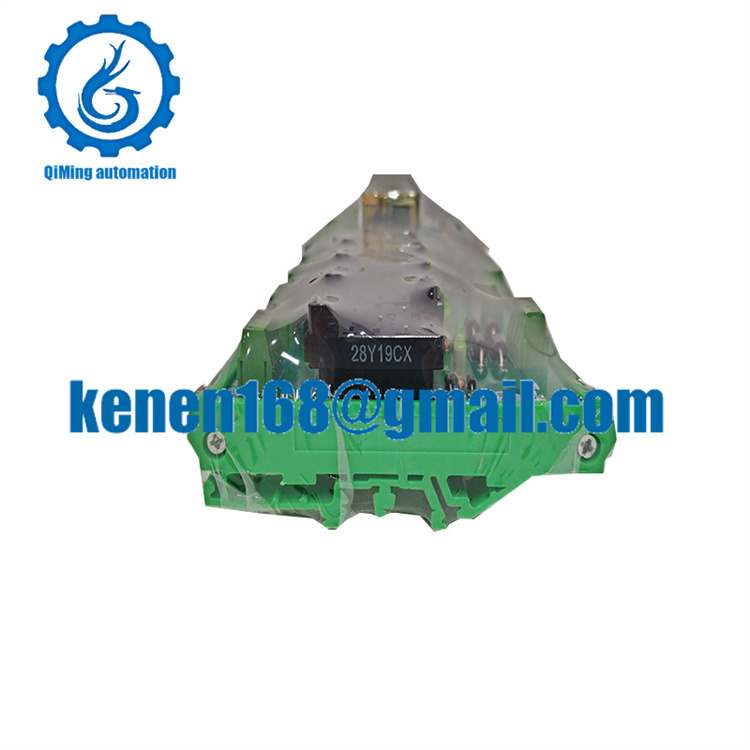

KEYSYS-RJ-16CH-AD KEYSYS terminal block
PCI Memory Mapping Architecture
The PCI memory mapping is governed by two core components:
- Hawk ASIC – Integrates the MPU/PCI bus bridge controller
- Universe ASIC – Serves as the PCI/VME bus bridge
These devices dynamically configure system memory mapping via programmable map decoder registers to accommodate application-specific requirements.
Key Characteristics:
- No default mapping: The PCI memory map is non-persistent; resetting the system disables all map decoders.
- Post-reset initialization: Software must reprogram the map decoders to establish application-specific memory mapping.
KEYSYS-RJ-16CH-AD KEYSYS terminal block
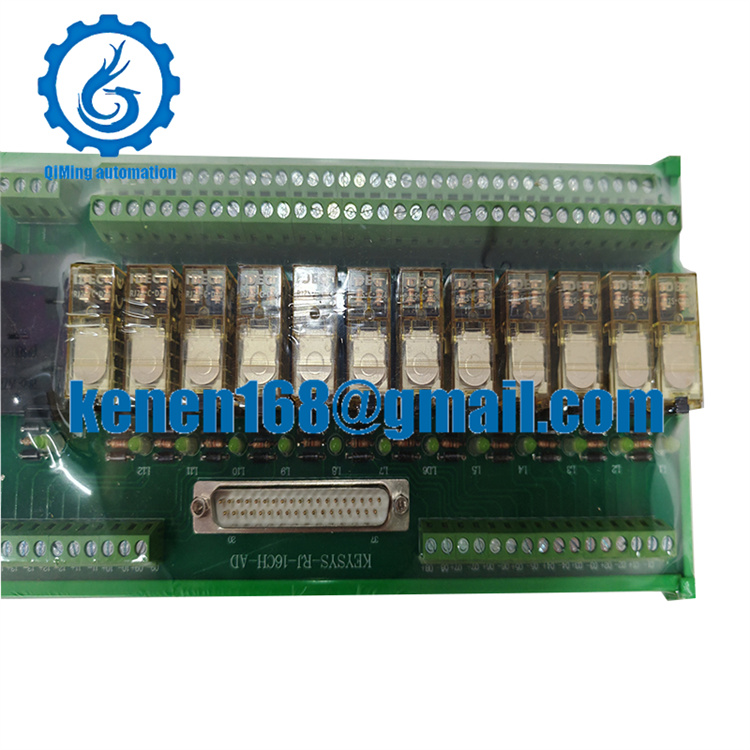
KEYSYS-RJ-16CH-AD KEYSYS terminal block
Here’s a professional technical rewrite in English:
Universe ASIC Configuration Protocol
1. Platform-Specific Memory Mapping
• Board architecture dependency:
- MVME2700 series: PReP-compliant memory mapping
- MVME5100 series: CHRP-standard memory mapping
• Functional definition: Determines PCI memory space visibility from processor perspective
2. PCI-VME Bridge Architecture
The Universe ASIC implements bidirectional address translation through:
| Bridge Direction | Control Registers | Functionality |
|---|---|---|
| PCI → VME | PCI Slave Registers | – Define address filtering thresholds for PCI-to-VME transfers – Configure VMEbus master addressing mode (A16/A24/A32) |
| VME → PCI | VME Slave Registers | – Establish VME-to-PCI address translation protocols – Implement PCI master cycle conversion logic |
3. Address Translation Mechanics
• PCI domain:
- Filters local PCI bus transactions using programmed address windows
- Applies configured offset/base adjustments before VME forwarding
• VME domain: - Implements dynamic bus sizing (D8/D16/D32) during PCI transfers
- Supports block transfer modes (BLT/MBLT) through burst mapping
KEYSYS-RJ-16CH-AD KEYSYS terminal block
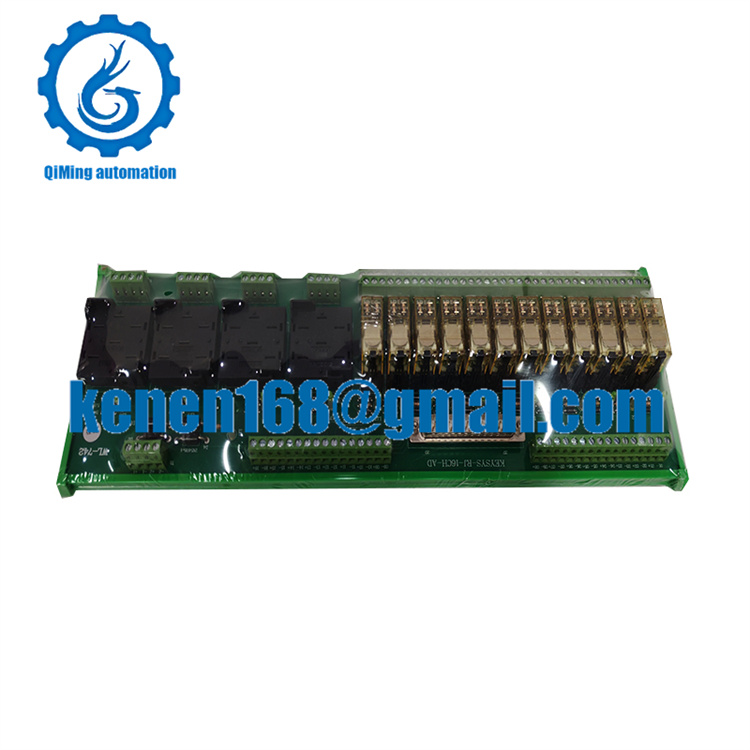
KEYSYS-RJ-16CH-AD KEYSYS terminal block
Address Translation Protocol for PCI/VME Bridging
1. Translate Register Configuration
The Translate register defines the offset required to map source addresses to the target bus domain.
2. Platform-Specific Translation Mechanics
| Operation Mode | Bus Direction | Key Constraint |
|---|---|---|
| PCI Slave Image | PCI → VME | Zero-offset mapping: |
VME_address = PCI_address & 0x00FFFFFF |
||
| (Upper 8-bit truncation via address mask) | ||
| VME Slave Image | VME → PCI | Base-relative translation: |
PCI_address = VME_address + Translate_Value |
3. Implementation by Platform
A. MVME2700 (PReP Architecture)
| Component | Address Space |
|---|---|
| PCI Local Bus | 0x80000000 (Local Memory Base) |
| VME Slave Translation | |
Translate_Value = 0x70000000 |
|
| Example: | |
VME: 0x10000000 → PCI: 0x10000000 + 0x70000000 = 0x80000000 |
|
| (Carry bit truncation at 32-bit boundary) |
B. MVME5100 (CHRP Architecture)
| Component | Address Space |
|---|---|
| PCI Local Bus | 0x00000000 (Local Memory Base) |
| VME Slave Translation | |
Translate_Value = 0xEC000000 |
|
| Example: | |
VME: 0x14000000 → PCI: 0x14000000 + 0xEC000000 = 0x00000000 |
|
| (64-bit result 0x100000000 truncated to 32-bit 0x00000000) |
4. Critical Implementation Notes
- Carry propagation suppression:
Hardware automatically discards overflow bits beyond configured bus width - Raven ASIC behavior:
Interprets translated PCI addresses as absolute local memory references

There are no reviews yet.